Chiang Rai is a small, laid-back city in northern Thailand, close to the borders of Laos and Myanmar. While it doesn’t have the buzz of Chiang Mai, that’s exactly what makes it special. Chiang Rai is best known for its striking temples, misty mountain surroundings, and slower pace of life. It’s a place where you can linger, wander, and take things one temple (and one meal) at a time.
Many visitors see Chiang Rai on a whirlwind day trip—often bundled into a tour from Chiang Mai that hits the White, Blue, and Black Temples in one long, crowded day. We chose a different approach. We had two full days, wanted to avoid tour buses as much as possible, and preferred to move slowly. It turned out to be the perfect way to experience the city.
Some links here are affiliate links. If you buy something, I might earn a small commission—thanks for supporting my blog! I only share products I use and stand behind.
Avoiding the Crowds: Our Temple Strategy
If there’s one thing to know about Chiang Rai’s famous temples, it’s this: tour buses usually arrive between 8:30–10:00 am, typically starting at the White Temple. To avoid the crowds, your best options are either early morning or late afternoon (after 3:00 pm) once the buses start to clear out.
In theory, we could have aimed for an 8:00 am temple visit… but we chose to value our safety and avoid the potential wrath of a teenager who is not a morning person. So late afternoons it was. We planned our days around the post–3:00 pm lull, and it made a huge difference—fewer people, calmer vibes, and a much more enjoyable temple experience.
Day One: Cats, Khao Soi & the White Temple
A Cat Café Dream Come True 🐾
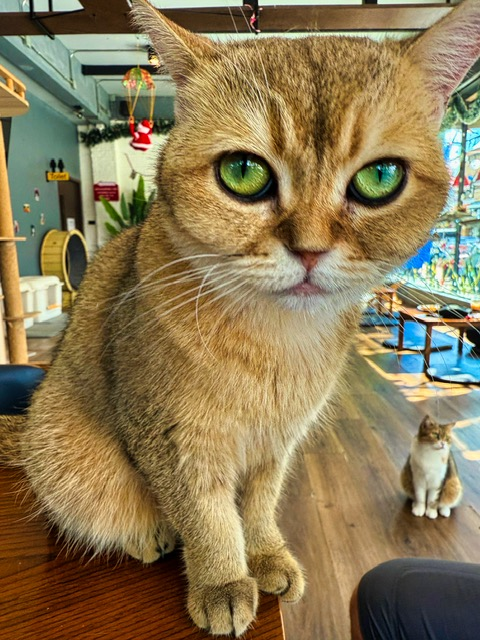
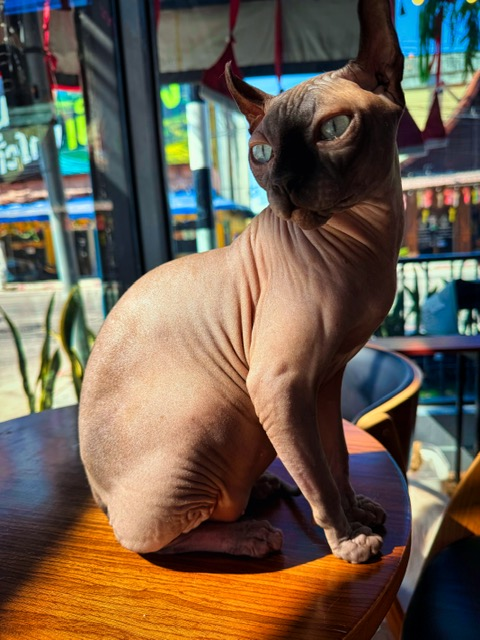
We kicked off our first day at Cat in a Cup, because my daughter has been dying to go to a cat café. It was clean, calm, and well-run. You pay by purchasing a drink, which acts as your entrance fee, and then you’re free to enjoy time with the cats.
All the cats were friendly and clearly well cared for. My kid was in absolute heaven, and honestly, it was a pretty relaxing way to start the day.
Lunch: Our First Taste of Khao Soi
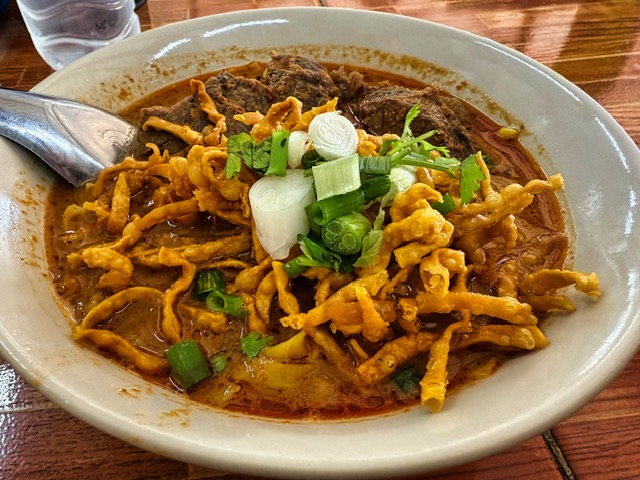
From there, we wandered over to Aroi Dee Khao Soi, one of the most highly rated spots in Chiang Rai for—you guessed it—Khao Soi. It was our first time trying this northern Thai classic, and it immediately became my new favorite Thai dish.
Khao Soi is a rich, creamy coconut curry noodle soup, typically made with egg noodles, tender meat (often chicken or beef), and topped with crispy fried noodles for texture. It’s served with lime, pickled mustard greens, and shallots on the side so you can adjust the flavors. Comforting, flavorful, slightly spicy, and absolutely addictive.
The White Temple (Wat Rong Khun)
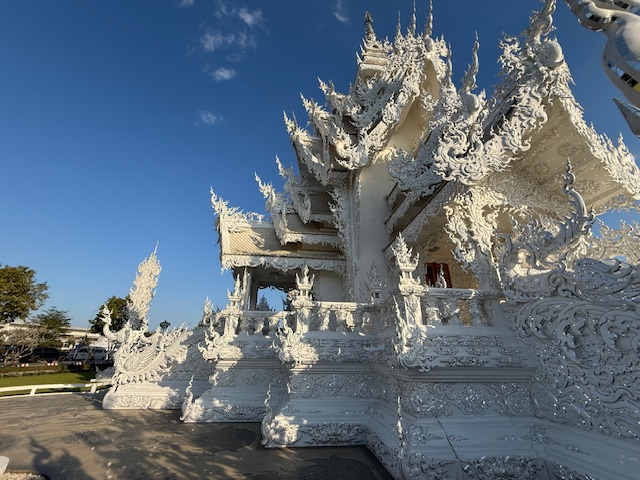
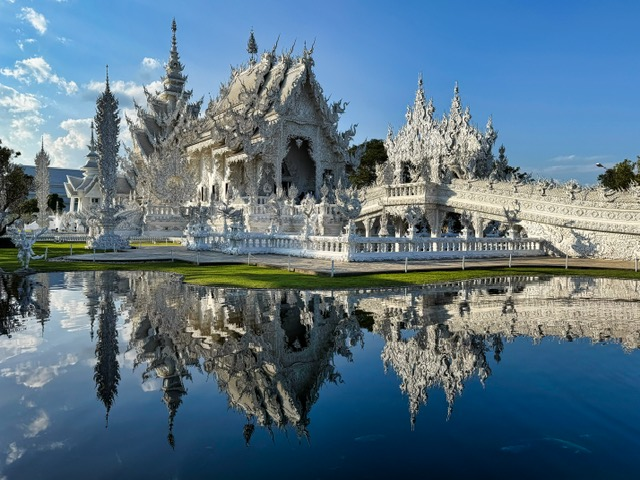
In the late afternoon, after most of the tour buses had left, we visited the White Temple—and it was worth the wait.
Wat Rong Khun is unlike any other temple in Thailand. Designed by contemporary Thai artist Chalermchai Kositpipat, it’s bright white, covered in mirrored glass, and filled with symbolic details representing purity, rebirth, and the struggle between good and evil. The bridge of reaching hands, the surreal murals inside, and the stark white exterior make it feel more like an art installation than a traditional temple.
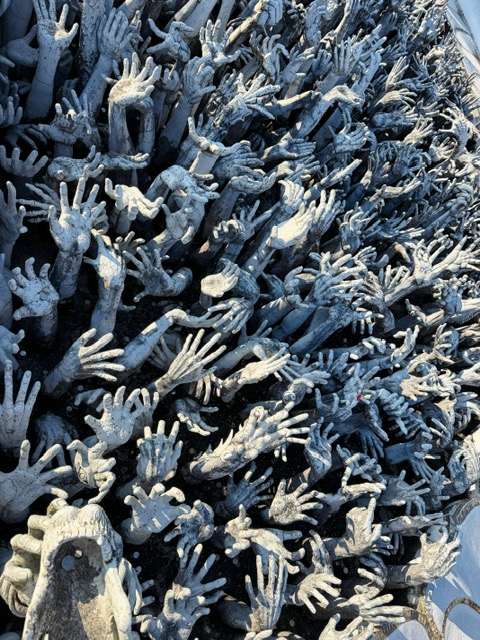
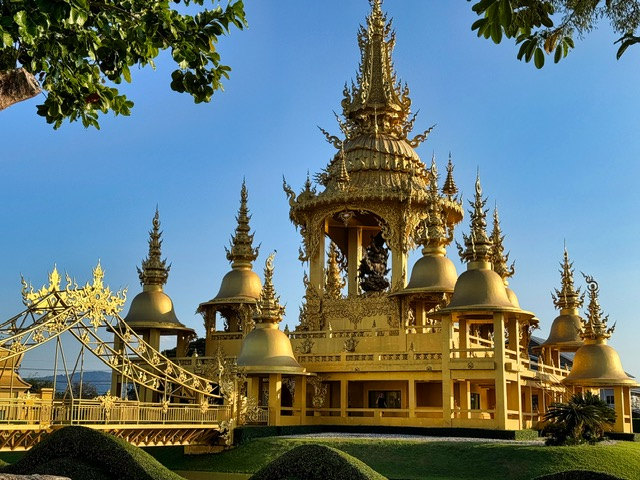
Visiting after 3:00 pm meant fewer crowds, better photos, and a much calmer experience.
Saturday Night Walking Street
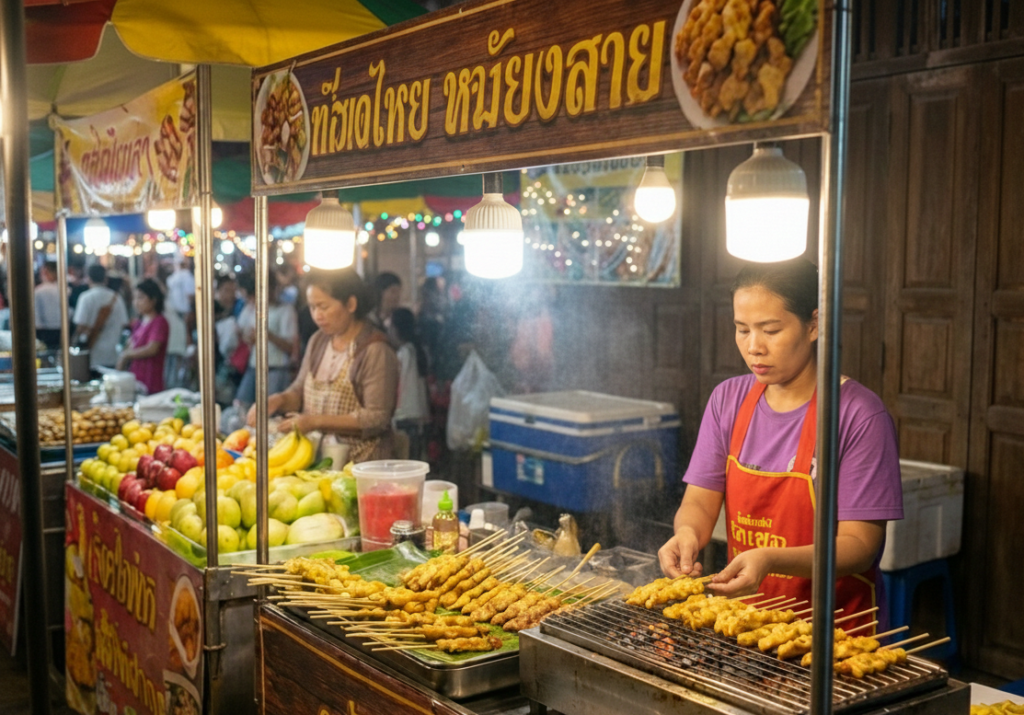
That evening, we headed to the Saturday Night Walking Market, a massive, nearly 3-kilometer-long stretch packed with street food, local crafts, souvenirs, music, and people.
It was lively without feeling overwhelming, and the food options were endless. This market alone is reason enough to time your visit to Chiang Rai for a weekend.
Day Two: Northern Thai Flavors, the “Giant Buddha” and the Blue Temple
Lunch at Tong Tung Restaurant
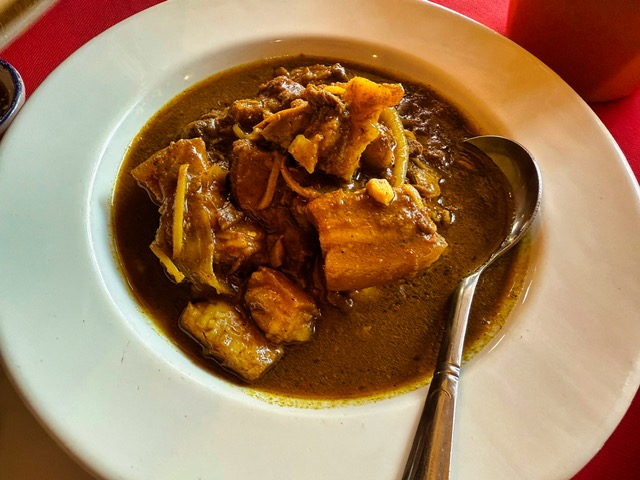
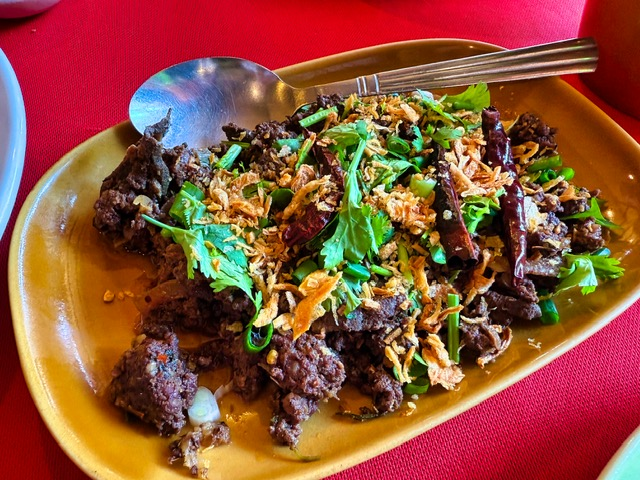
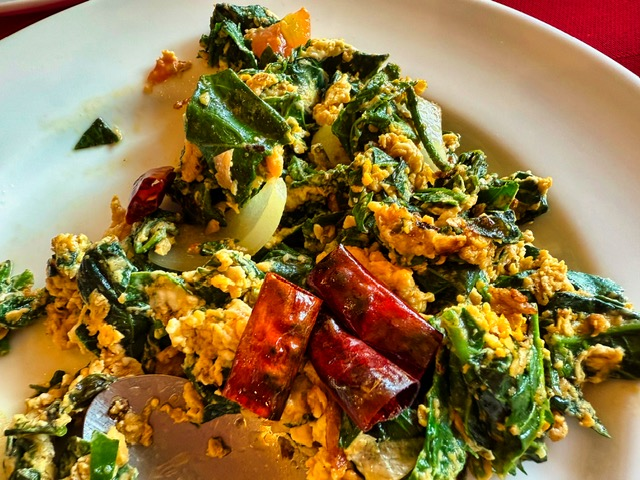
On day two, we focused on food and temples again—no complaints there. For lunch, we went to Tong Tung Restaurant, where we sampled more traditional northern Thai dishes:
- Kaeng Hang Le – A northern-style pork curry with Burmese influences. It’s rich, slightly sweet, mildly spicy, and simmered with ginger, garlic, and tamarind. Deeply comforting.
- Lap Mu Kua – A northern version of larb, made with minced pork, toasted spices, herbs, and chilies. It’s bold, aromatic, and very different from the larb you’ll find elsewhere in Thailand.
- Pad Bai Liang Kai – Stir-fried bai liang leaves with egg. Simple, earthy, and surprisingly delicious.
Our daughter stuck with her all-time favorite Pad Thai—solid choice, but… boring 😄. Still, everyone left happy.
The “Giant Buddha” (That Isn’t Really a Buddha)
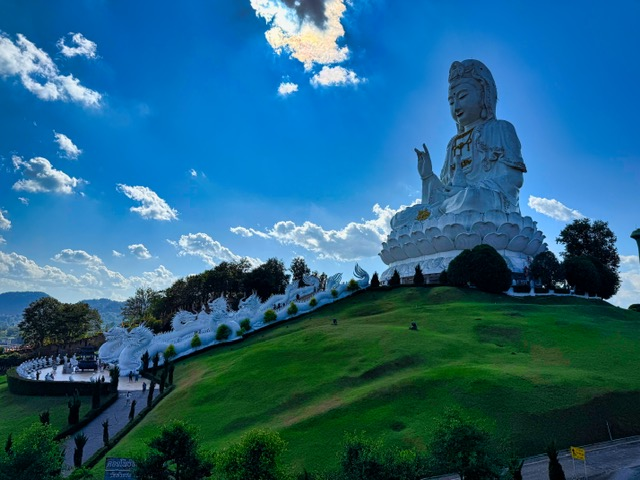
The “Giant Buddha” (That Isn’t Really a Buddha)
We skipped the Black Temple (more on that below) and instead added what’s often referred to as the “Giant Buddha.” Despite the nickname, this impressive statue is not actually a Buddha at all. It is a massive white statue of Guanyin, the Goddess of Mercy, located at Wat Huay Pla Kang.
The statue towers over the surrounding hills and can be seen from far away. You can take an elevator inside the statue up to various levels, where you’re rewarded with sweeping views of Chiang Rai and the surrounding countryside. The temple complex itself is peaceful and spacious, with far fewer visitors than the White or Blue Temples.
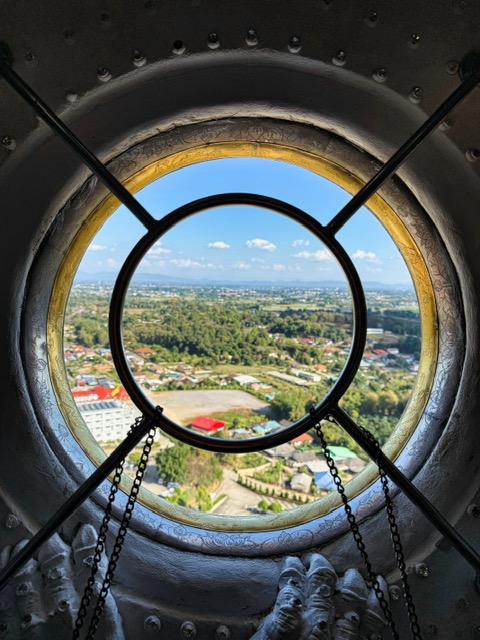
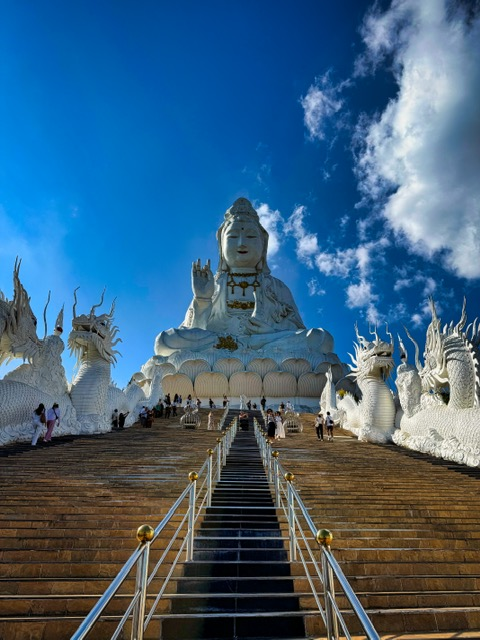
It made for a lovely contrast to the more famous sites—less about intricate details or crowds, and more about scale, serenity, and the setting. A quiet, reflective stop that ended up being one of the highlights of our second day.
The Blue Temple (Wat Rong Suea Ten)
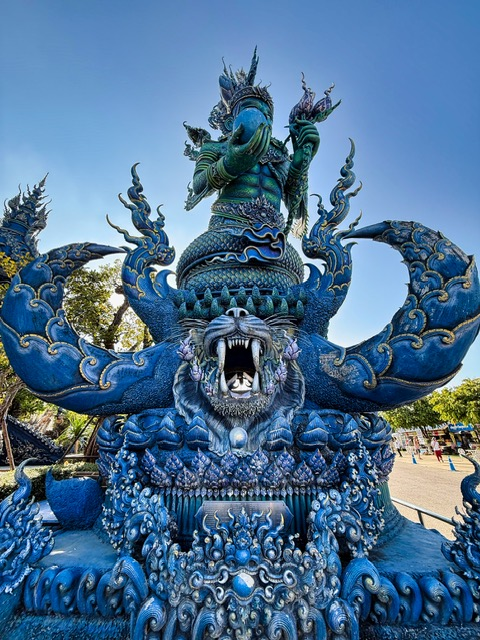
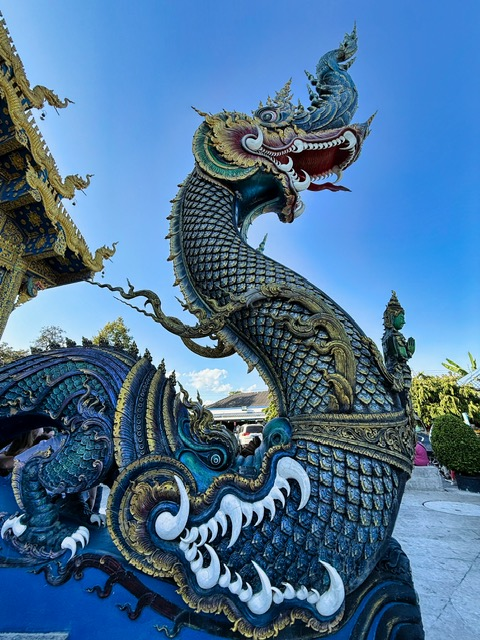
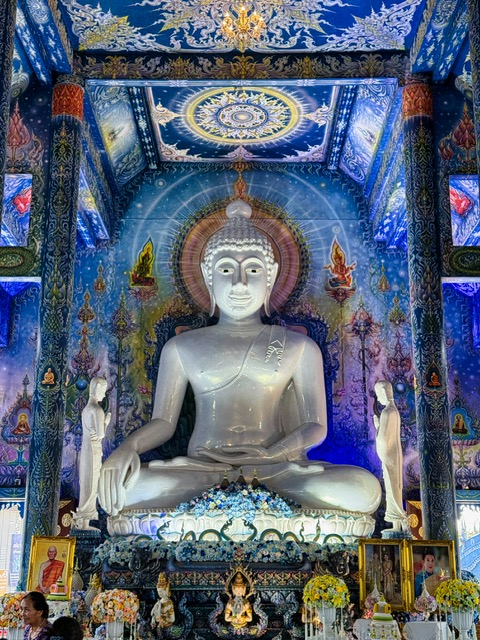
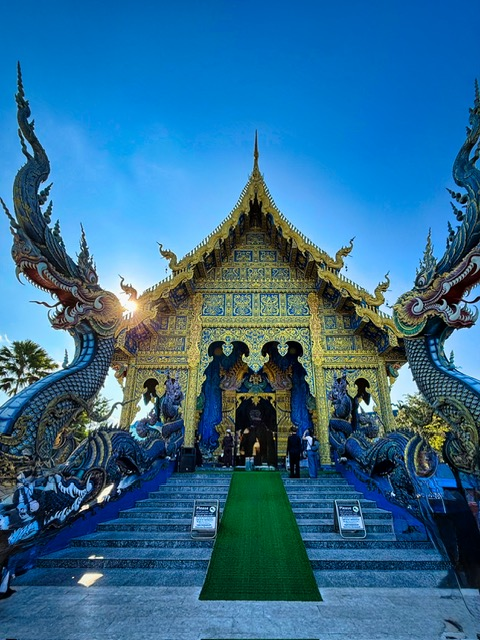
Later in the afternoon, we visited the Blue Temple, again timing it after 3:00 pm to avoid the tour crowds.
Wat Rong Suea Ten is vivid and dramatic, drenched in deep blues and gold accents. The interior features a large white Buddha statue surrounded by intricate blue artwork, creating a serene yet striking atmosphere. It’s smaller than the White Temple but just as visually impressive in its own way.
A Note on the Black Temple (Baan Dam Museum)
Although we didn’t visit, the Black Temple (Baan Dam Museum) is often included in Chiang Rai itineraries. Unlike the White and Blue Temples, it’s more of an art museum and complex of dark wooden buildings filled with unconventional, sometimes unsettling artwork.
It’s fascinating for some, but we decided to skip it in favor of a slower pace and fewer stops. That being said – it was totally doable with the slow pace we had set.
Beyond the Big Three Temples
One thing we loved about Chiang Rai is that there are so many beautiful temples beyond the famous ones. Smaller neighborhood temples, hillside viewpoints, and quiet temple grounds are scattered throughout the region—and many are just as lovely, without the crowds.
If you have time, it’s worth wandering without a strict checklist.
Where We Stayed: Tanya Baan Doi
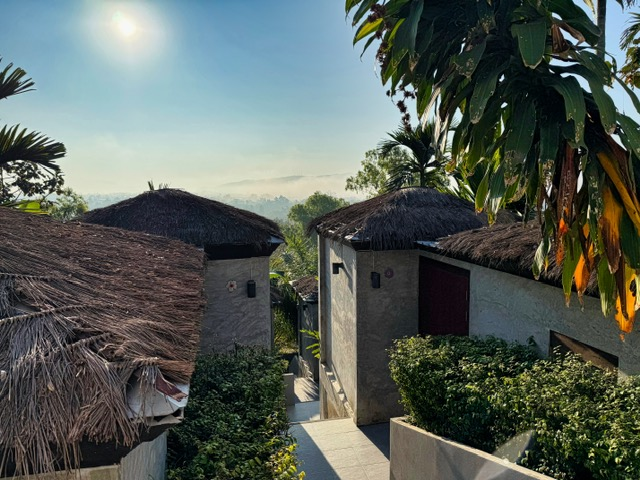
We stayed at Tanya Baan Doi, just outside the city, and it was a fantastic choice. The property consists of small, villa-style rooms that are spacious, clean, and incredibly affordable.
Instead of booking one villa and requesting a cot, we opted for two separate villas, which gave us extra space and comfort. The views from the property were stunning—misty mountains in the morning that made coffee on the porch feel extra special.
There’s also a pool, which was a perfect way to cool off after temple hopping. Quiet, scenic, and great value for money.
| The Syps Family Chiang Rai Tip Box 🛕 Booking a tour? Book in advance—especially during high season. White, Blue, and Black Temple combo tours fill up quickly and most follow the same morning schedule. 🛕 Want to beat the crowds? Visit temples right at opening or after 3:00 pm when tour buses start to leave. Late afternoons were our sweet spot. 🛕 Dress respectfully. Temples require covered shoulders and knees—pack a lightweight scarf or sarong so you’re not turned away. 🛕 Stay cool & comfortable. Chiang Rai gets hot—even in the afternoon. A handheld or neck fan can make temple visits much more comfortable, especially when there’s little breeze. |
Looking for a more curated experience? If you’d prefer to leave the planning to someone else, check out the Chiang Rai Cultural Adventure & Golden Triangle Tour. It combines Chiang Rai’s highlights with cultural insights and a visit to the famous Golden Triangle, making it a great option if you’re short on time but still want a deeper look at the region.
The Syps Survival Summary
Did we survive our first taste of Khao Soi? Yes, 100% Yes.
We really enjoyed our two days in Chiang Rai—and honestly, we wish we’d stayed longer. It’s a city that rewards slow travel, early mornings, late afternoons, and long meals. By avoiding the tour bus rush and spreading things out, we got to experience Chiang Rai in a calmer, more meaningful way.
If you’re deciding between a rushed day trip and spending a couple of nights here, I’d strongly recommend the latter. Chiang Rai is more than just its famous temples—it’s the food, the markets, the quiet moments, and the space to slow down.