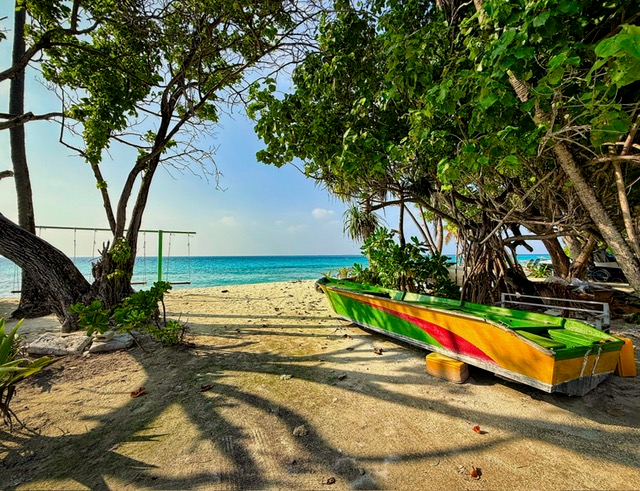
The Maldives is famous for overwater bungalows, private villas, and luxury resorts that feel financially out of reach for most travelers. But here’s the lesser-known truth: you don’t need a luxury resort budget to experience the Maldives.
By staying on a local island, we discovered a more affordable, authentic way to enjoy turquoise water, white-sand beaches, and island life—without sacrificing the scenery that makes the Maldives iconic.
Some links here are affiliate links. If you buy something, I might earn a small commission—thanks for supporting my blog! I only share products I use and stand behind.
How the Maldives Opened Local Islands to Tourism
For decades, tourism in the Maldives was limited to private resort islands, with visitors rarely interacting with local communities. That changed in 2009–2010, when the Maldivian government officially opened local islands to tourism.
This shift allowed families to run guesthouses and boutique hotels, making the Maldives far more affordable while supporting local communities. Today, hundreds of local islands welcome travelers—offering stunning beaches, lower prices, and a more authentic island experience.
This change is what made our stay on Dhigurah possible—and why the Maldives no longer requires a luxury resort budget.
Understanding the Maldives: Atolls, Islands & Where Tourists Can Stay
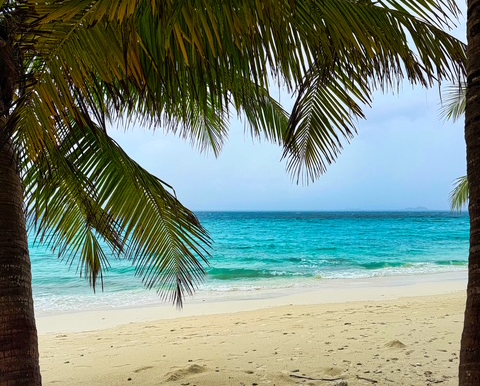
The Maldives is made up of 26 natural atolls and approximately 1,200 islands scattered across the Indian Ocean.
- Around 150–170 islands are developed as resort islands
- Roughly 200 islands are inhabited by local Maldivian communities
- Many of those local islands now welcome travelers through guesthouses and boutique hotels
Resort Islands vs Local Islands
- Resort islands: One resort per island, curated luxury, alcohol permitted, high cost (the cheapest I could find was $800 CDN per night)
- Local islands: Real communities, modest dress codes, no alcohol, dramatically lower prices
We intentionally chose the local island experience—and Dhigurah stood out immediately.
Why We Chose Dhigurah (And That Famous Sandbar)
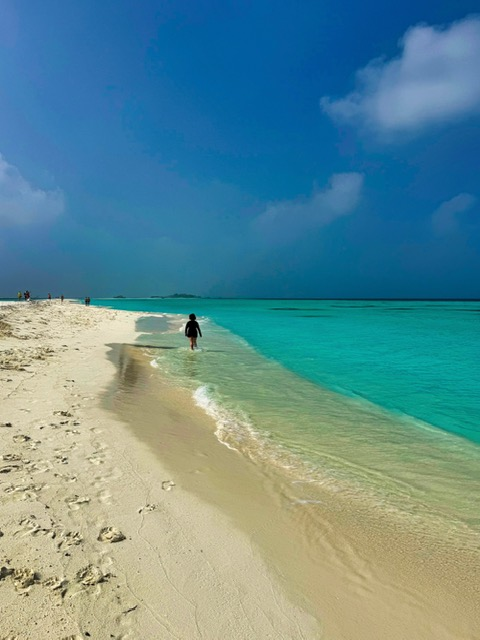
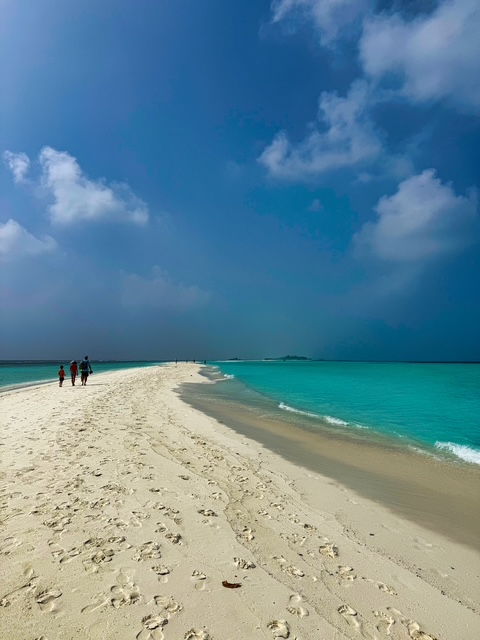
When planning a local island stay in the Maldives, one thing became very clear very quickly: you have options. There are dozens of inhabited islands open to tourism, each offering a slightly different version of the Maldives—some livelier, some quieter, some more polished, others more raw.
Here’s a quick snapshot of a few popular local islands and what they’re known for:
- Maafushi – Easy access from Malé, lots of tours and restaurants, but busier and more built-up. Great for budget travelers who want activity.
- Thulusdhoo – A surf hub with a cool, youthful vibe. Less about beaches and more about waves and culture.
- Ukulhas – Known for cleanliness and eco-efforts, with great beaches and a relaxed feel. Smaller sandbars, though.
- Dhiffushi – Close to Malé and affordable, but more compact with fewer “wow” beach stretches.
- Fulidhoo – Charming and intimate with stingrays right off the jetty, but very small and quiet.
For us, it came down to space, walkability, and that iconic sandbar.
Dhigurah is a narrow island in the South Ari Atoll, best known for:
- Endless beaches
- One of the longest sandbars in the Maldives
- Year-round whale shark sightings
Despite its popularity, the island feels peaceful and uncrowded—even during high season—thanks to its length and slower pace of tourism. Add friendly locals, easy walkability, and room to spread out, and it felt like exactly the kind of Maldives experience we were looking for.
We stayed at Bliss Dhigurah, a boutique hotel located away from heavy construction—something that mattered more than we realized once we saw how quickly tourism is expanding on local islands.
(We’ll share a full hotel review in a separate post.)
How to Get to Local Islands in the Maldives (Costs Included)
Getting from Malé to your island is one of the most important logistics to understand. There are four main transfer options:
1. Public Ferry
- 💰 $5–$10 USD
- ⏱️ Very slow (can take 6–10+ hours)
- 📅 Limited schedules (often not daily)
Best for: Backpackers with flexible schedules
2. Speedboat
- 💰 $50–$80 USD per person (one way) for Dhigurah
- ⏱️ ~2–2.5 hours
- 🚤 Runs daily or several times per week
Best balance of cost and time
We booked our speedboat directly through our hotel, which made everything seamless.
3. Domestic Flight + Boat
- 💰 $120–$200 USD
- ⏱️ Faster than ferry, still requires coordination
- ✈️ Flies to nearby regional airports
4. Seaplane
- 💰 $300–$500+ USD per person (one way)
- ⏱️ Fastest and most scenic
- 🏝️ Mostly used for resort islands
Note: Seaplanes are rarely practical for local island stays due to cost and routing.
Things You Need to Know About Staying on Local Islands
Local island travel is rewarding—but it’s not the same as a resort stay. Knowing what to expect makes all the difference.
No Alcohol on Local Islands
Alcohol is not permitted on local islands. You won’t find beer, wine, or cocktails at cafés or hotels. (Resort islands are the exception.)
For us, it wasn’t an issue—but it’s important to set expectations.
Mosquitos Are Real
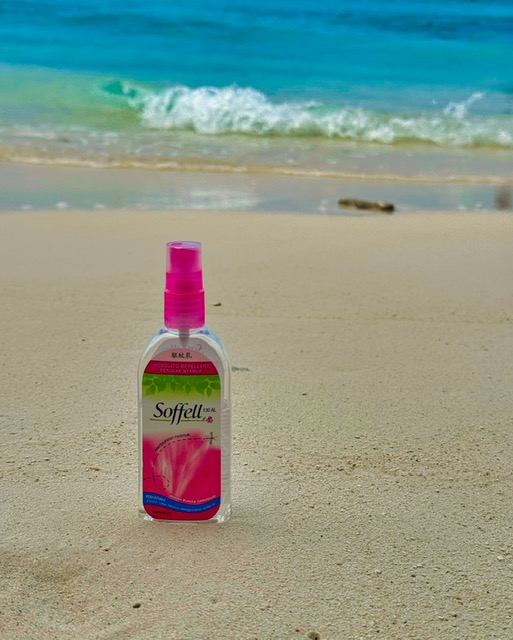
Local islands do not spray for mosquitos like large resorts do. Pack bug spray—non-negotiable.
Respecting Local Culture
The Maldives is a Muslim country, and respectful dress is required:
- Swimsuits only on designated bikini beaches
- Shoulders and knees covered in public areas
We noticed many visitors ignored these guidelines. Locals may gently mention it, but generally avoid confrontation. Personally, I choose respect when visiting someone else’s country.
Call to Prayer
You’ll hear the Muslim call to prayer five times a day. On Dhigurah, it’s broadcast over speakers from the mosque. I found it peaceful and grounding—not disruptive.
Food Reality Check
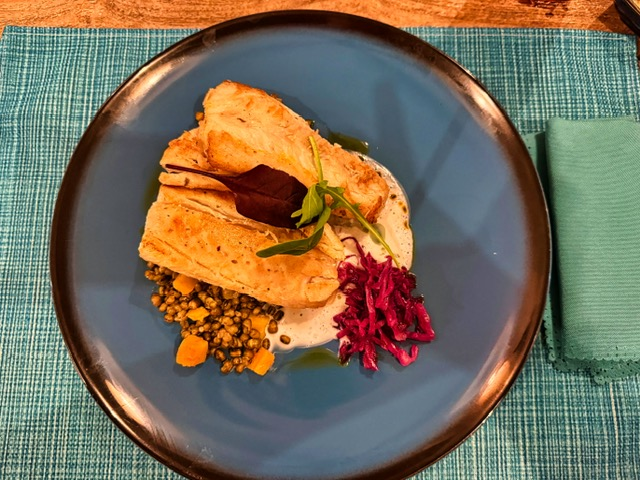
Don’t expect daily fresh-caught fish.
Most food—including meat and fish—is imported frozen. Local agriculture is minimal, aside from coconuts and tropical fruits. (The island of Thoddoo is the Maldives’ agricultural hub.)
Trash & Construction
Waste management is limited on local islands. Trash is often burned, and construction debris is visible—especially as tourism grows and new boutique hotels are built. It’s a trade-off that comes with affordability and authenticity.
Despite It All—Paradise
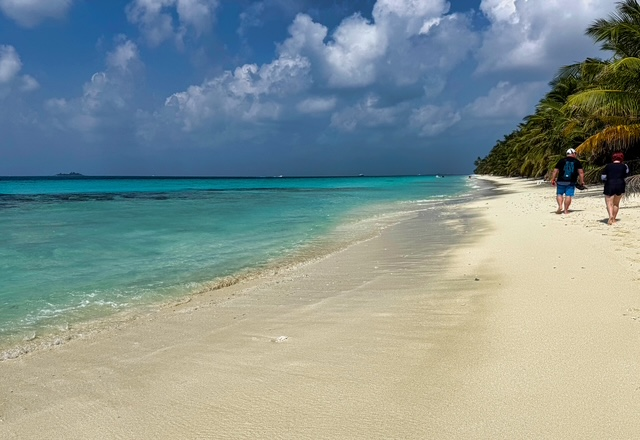
Even with these realities:
- The beaches were stunning
- The water was crystal clear
- The island never felt crowded
- The people were genuinely kind and welcoming
Dhigurah showed us a Maldives that feet real, not curated—and unforgettable because of it.
| The Syps Family Budget Maldives Travel Tips 🏝️ Choose local islands for affordability 🏝️ Book speedboat transfers through your hotel 🏝️ Bring bug spray and modest clothing. I covered up with these kaftans, which we affectionately refer to as “Mrs. Ropers“—yes, from Three’s Company. If that reference means nothing to you, congratulations on your youth. If it does… welcome to the club. 🏝️ Stay away from heavy construction zones when possible |
The Syps Survival Summary
Did we survive the Maldives on a budget?
Yes—and we’d do it again in a heartbeat.
We skipped the overwater bungalow and gained endless sandbars, quiet beaches, and meaningful connections. Dhigurah proved that the Maldives can be both affordable and extraordinary.
Wondering how to spend your days? Here’s everything we did on Dhigurah—from beaches to excursions: Our Typical Day on a Local Maldivian Island: What Is There to Do on Dhigurah?
Looking for where is the best place to eat on Dhigurah? Stay tuned for our upsoming posts!