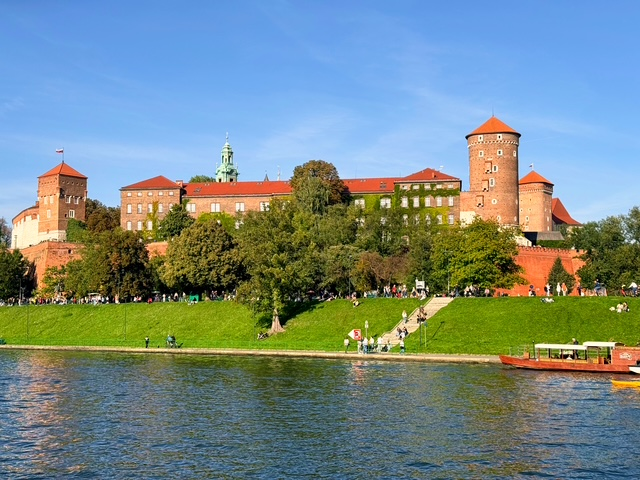
After traveling through five cities in Poland, I finally got to step inside a real castle. Not just admire the walls from the outside, but actually wander through its halls, peek into royal chambers, and stand in the middle of history. Visiting Wawel Castle (pronounced VAH-Vel in Polish) in Krakow was one of those pinch-me travel moments—made even more special because I used to read the legend of the Smok, the famous Wawel dragon, to my daughter when she was little. That story came from a book gifted by my husband’s aunt and uncle after their own trip to Krakow, and there we were, years later, standing in the dragon’s very lair.
Some links here are affiliate links. If you buy something, I might earn a small commission—thanks for supporting my blog! I only share products I use and stand behind.
The Legend of the Smok 🐉
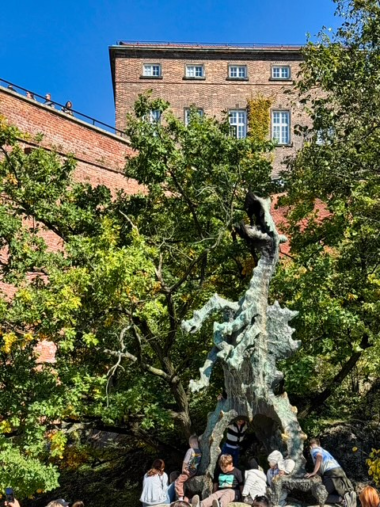
The tale goes like this: Krakow was once terrorized by a dragon living in a cave beneath Wawel Hill. The mighty beast devoured livestock (and the occasional villager), leaving the town desperate for a hero. Finally, a clever shoemaker tricked the dragon by feeding it a sheep stuffed with sulfur. The Smok ate it, became unbearably thirsty, drank from the Vistula River until he exploded—and the city was saved.
Let’s just say, when you’re visiting Wawel Castle, you don’t look at that dragon statue outside the same way again. Bonus: The dragon statue breathes fire every 5 or so minutes!
A Walk Through History
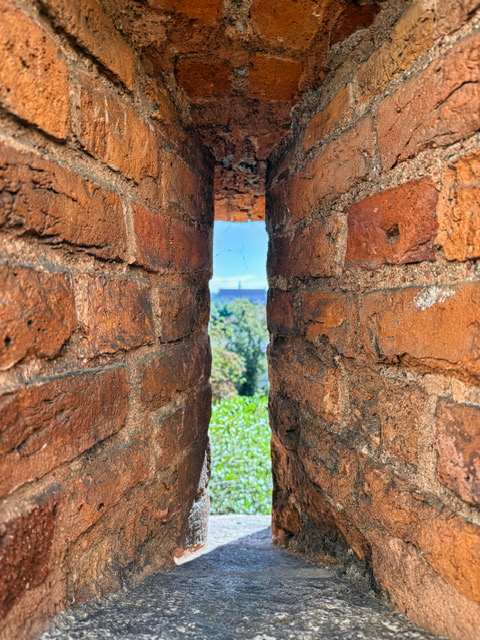
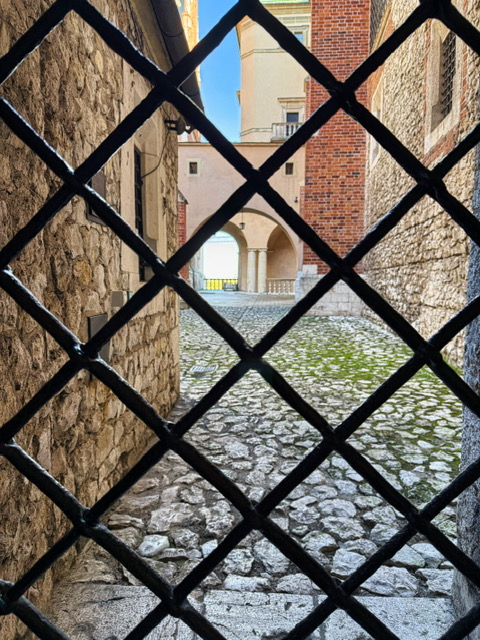
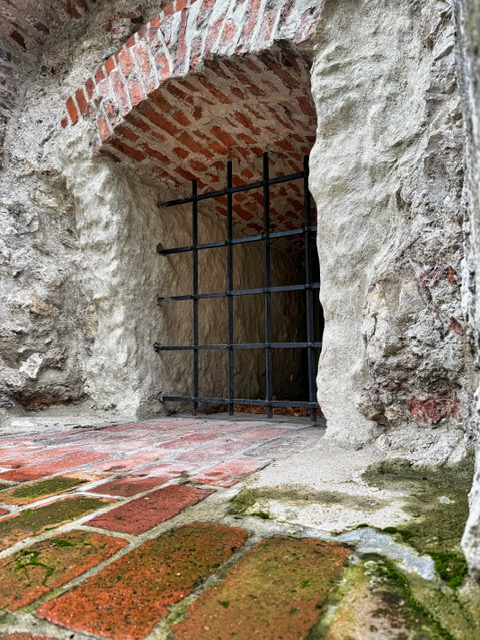
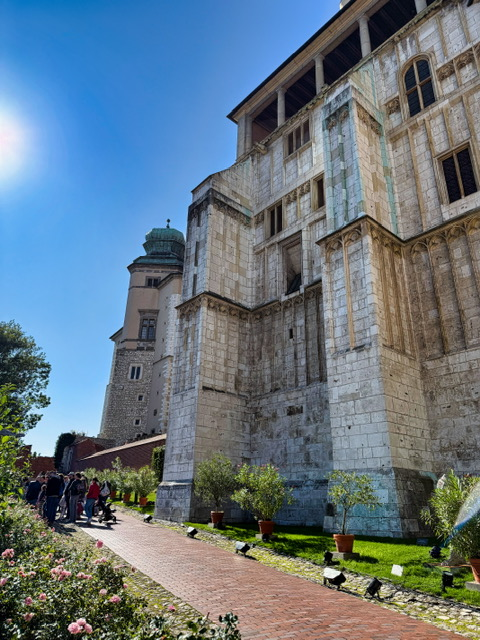
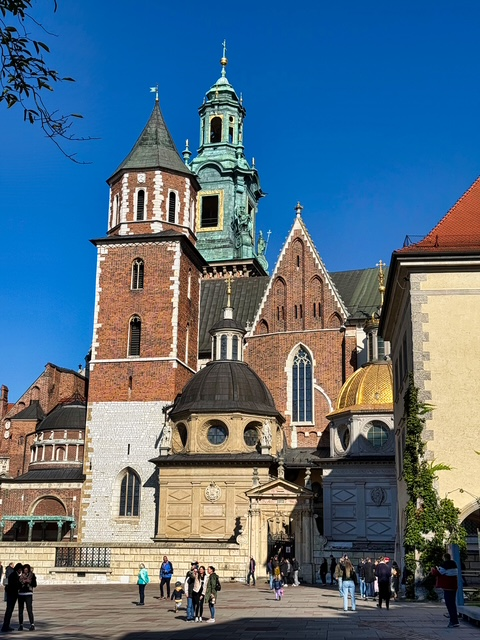
Wawel Castle isn’t just any castle. Built in the 14th century under King Casimir III the Great, it served as the seat of Polish kings for centuries. Imagine coronations, royal banquets, and political intrigue all unfolding within these walls. Even though the castle was occupied, plundered, and rebuilt over the years, it remains one of Poland’s most important cultural treasures.
Fun facts about Wawel Castle’s history:
- The Renaissance-style courtyard is one of the finest in Europe, influenced by Italian architects in the 1500s.
- Large parts of the castle were rebuilt after fires and wars, especially in the 17th century.
- Surprisingly, Wawel was not destroyed during World War II. The Nazis used it as their headquarters for the Governor General of occupied Poland, which ironically spared the castle from bombings.
- Today, it houses one of Poland’s largest art collections—including the famed Sigismund II Augustus tapestries and royal treasures.
Honestly, it still boggles my mind how structures like this were built hundreds of years ago and are still standing strong.
What You Can See When Visiting Wawel Castle
There are several ticketed exhibits inside the castle, each requiring its own ticket or a combination pass:
- Royal Private Apartments (Castle 1) – filled with Renaissance furniture, paintings, and ceremonial rooms.
- State Rooms (Castle 2) – where kings and queens actually lived.
- Crown Treasury & Armory – a dazzling display of royal jewels, coronation swords, and armor.
- Lost Wawel – an archaeological exhibition showing remnants of earlier medieval buildings.
- Art Collections – paintings, sculptures, and decorative arts.
- Wawel Cathedral – Poland’s most significant church, where kings were crowned and buried.
- Gardens & Courtyards – beautiful outdoor spaces with sweeping views of Krakow.
- Dragon’s Den – a limestone cave under Wawel Hill where the legendary Smok the dragon once lived. It’s a fun, slightly spooky walk that kids (and dragon fans) love.
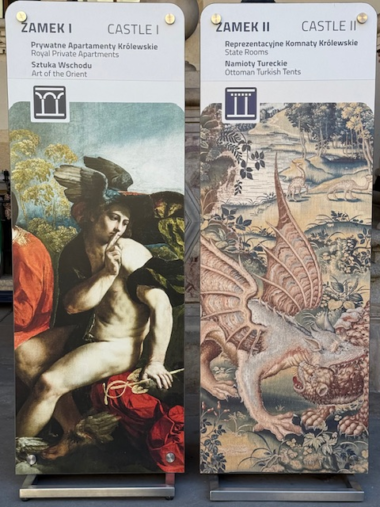
When visiting Wawel Castle, we only had time for Castles 1 and 2 plus the gardens. We booked our tickets through GetYourGuide, which I highly recommend—especially because even at the end of September, the castle was very busy, and timed tickets sell out quickly. You can choose between booking a live guide or an audio tour; we opted for the audio tour, which worked perfectly for exploring at our own pace.
The Ottoman Tents Exhibit
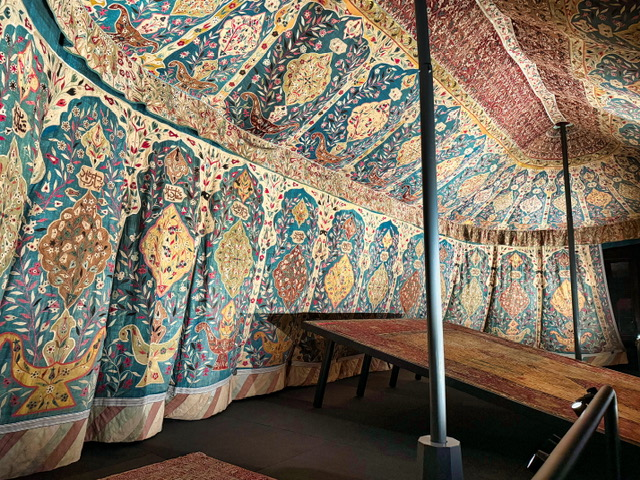
One highlight of our visit was a special exhibition on Ottoman tents. These vast, colorful tents were once used during Ottoman military campaigns and later became prized trophies of war. Seeing them up close, with their intricate embroidery and towering size, was incredible. They weren’t just practical shelters; they were portable palaces symbolizing wealth, power, and prestige. It was one of those unexpected extras that made the visit even more memorable.
Tween Reactions & Family Fun
Inside, I was mesmerized by the giant tapestries, trying to imagine how long it must have taken to weave them. My tween? Not so much. She perked up only when we asked her to picture herself living here. Cue the dramatic response: she would absolutely live in the other wing, thank you very much, so we couldn’t wake her up early and make her go visit castles.
For teens and tweens, here are a few fun angles:
- The Smok Dragon Statue at the base of Wawel Hill actually breathes fire every few minutes—perfect Instagram/TikTok content.
- The Armory has swords and weapons that could easily fuel medieval “what if” conversations.
- The views from the ramparts are spectacular for selfies.
Why Wawel Castle Is a Must-See in Krakow
If you’re visiting Krakow, Wawel Castle is non-negotiable. Between the dragon legends, the royal history, and the chance to wander through centuries-old rooms, it’s an experience that blends myth, art, and architecture all in one.


The ceilings alone are worth the visit—painted frescoes, elegant coffered patterns, and the unforgettable Heads Hall, where carved faces look down from between the coffers like silent guardians.
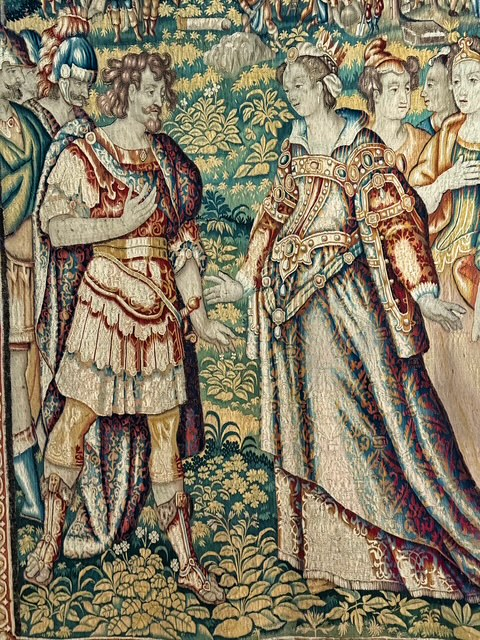
Then there are the tapestries, massive woven masterpieces that pull you into Renaissance storytelling with their rich colors and intricate details.
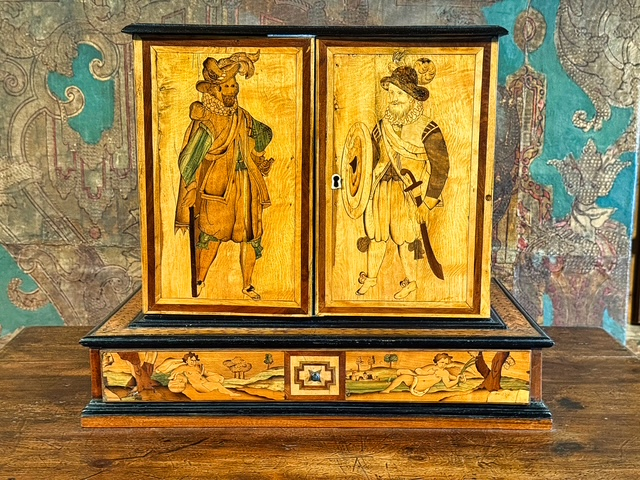
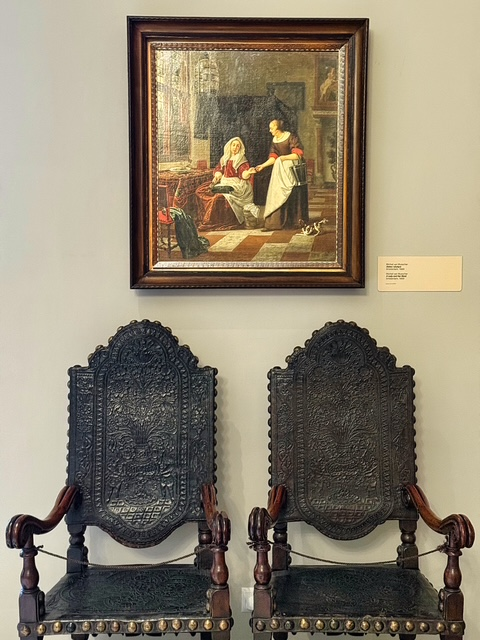
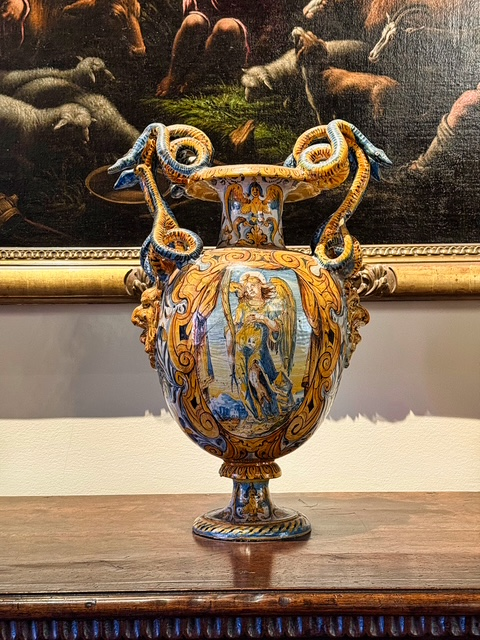
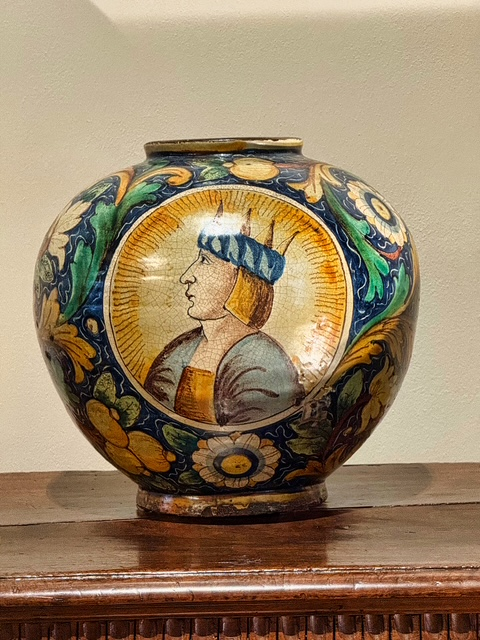
Add to that the ornate wooden furniture, delicately carved boxes, and a world-class art collection that ranges from Italian and Dutch paintings to Islamic treasures like the Ottoman tents, and you quickly realize this isn’t just a castle—it’s a museum of world history under one roof.
How to Get There
Wawel Castle is located right in the center of Krakow, about a 10-minute walk from the Main Market Square. You can’t miss it—just follow Wawel Hill. Trams and buses also stop nearby, but walking through the Old Town to get there feels like part of the adventure.
| The Syps Family Wawel Castle Tip Box 🐉 Book tickets in advance (we used GetYourGuide) – even in late September, it was busy. 🐉 Audio vs. guide – both are great options; we liked the flexibility of the audio tour. 🐉 Wear comfy shoes – cobblestones, staircases, and hills are no joke. 🐉 Plan your exhibits – each section requires its own ticket or combo pass. 🐉 Give yourself plenty of time – at least 3–4 hours if you want to see more than just one exhibit. 🐉 Make it fun for kids – the dragon statue and armory are a hit with tweens/teens. |
The Syps Survivial Summary
Did we survive the dragon on Wawel Hill? Between climbing stairs, dodging crowds, and negotiating with a tween princess about her imaginary royal quarters, it was touch-and-go. But yes, we survived the dragon—and lived to tell the tale of visiting Wawel Castle. Honestly? It was worth every fiery breath.