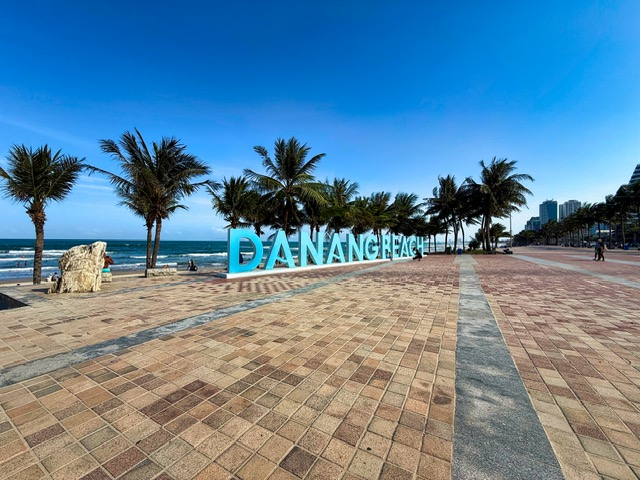
If you spend any time on YouTube or expat forums, you’ll quickly see a common claim: Vietnam is one of the cheapest places in the world to live. Naturally, that raises an interesting question — could you actually retire here?
While traveling through central Vietnam, we decided to test the idea ourselves by staying in the expat-heavy beach district of Da Nang, specifically the neighborhood of An Thuong.
Full disclosure: this wasn’t our usual travel style. We normally prefer more local neighborhoods. But if you’re researching retirement abroad, living in the expat hub is actually the best way to understand what day-to-day life might look like.
So here’s our honest breakdown of costs, lifestyle, healthcare, food, and the realities of retiring in Vietnam.
Some links here are affiliate links. If you buy something, I might earn a small commission—thanks for supporting my blog! I only share products I use and stand behind.
Why Da Nang Is Popular With Retirees and Expats
Da Nang has quietly become one of Southeast Asia’s fastest-growing expat hubs. The city sits on the coast between Hanoi and Ho Chi Minh City, with long beaches like My Khe Beach stretching for miles.
It offers a combination that’s hard to find elsewhere:
- Beach lifestyle
- Low cost of living
- Modern cafes and restaurants
- Reliable internet
- Access to private healthcare
For remote workers and retirees with foreign income, that combination is incredibly appealing.
But affordability is usually the biggest draw.
Cost of Living in Da Nang
One of the reasons people consider retiring in Vietnam is simply how far your money can go.
Here’s a realistic breakdown of monthly costs for expats in Da Nang:
Apartment Rent
- Studio apartment: $250–$350
- 1-bedroom near the beach: $300–$600
- 2-bedroom apartment: $500–$850
Your biggest factor is location. Beachside areas like My An and An Thuong are the most expensive.
Still, compared to many Western cities, it’s incredibly affordable.
Monthly Living Costs
A comfortable expat lifestyle typically ranges from:
- $800 – $1,200/month for a single person
- $1,400 – $1,800/month for a couple depending on lifestyle
That usually includes:
- Rent
- Utilities
- Groceries
- Eating out
- Transportation
- Health insurance
You can live cheaper if you adopt a more local lifestyle, but most retirees prefer a bit more comfort.
Our Experience Living in the Expat District
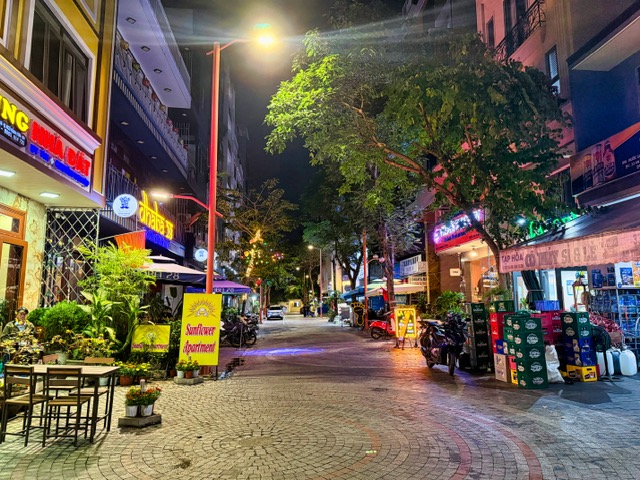
We deliberately stayed in An Thuong, which is essentially the expat and tourist hub of Da Nang.
And to be honest?
It didn’t really feel like Vietnam.
There were so many expats and tourists walking around that at times it felt more like a beach town full of digital nomads than a Vietnamese city.
From a travel perspective, it wasn’t our favorite.
But from a retirement perspective, we completely understand the appeal.
In this area you’ll find:
- English spoken widely
- International restaurants
- Cafes and coworking spaces
- Easy beach access
If you’re moving abroad long-term, having a community and familiar comforts can make the transition much easier.
Food Options: You Won’t Miss Home

One thing we noticed immediately in the expat district was the incredible range of food.
Within just a few blocks we saw:
- Indian restaurants
- Mexican restaurants (surprisingly good Mexican!)
- American diners
- British pubs
- Chinese restaurants
- Italian cafes
- Vietnamese street food
We even found Canadian Poutine! So if comfort food matters to you, you won’t struggle to find it here.
However, there’s a trade-off.
Restaurants and groceries in expat areas are noticeably more expensive than local Vietnamese spots. That’s largely because tourists and foreign residents drive demand.
If you eat like a local, food can be incredibly cheap. If you prefer Western food regularly, your grocery budget will be higher because many items are imported.
Groceries are generally reasonable, but Western products can cost significantly more.
So your food budget really depends on how adventurous you are with local cuisine.
The Language Barrier
Vietnamese is a tonal language, which makes it extremely difficult for Westerners to learn.
Even a simple word like “dua” can mean completely different things depending on the tone:
- Dừa (heavy falling tone): Coconut
- Dưa (flat tone): Melon (such as watermelon, honeydew, or cucumber)
- Dứa (high rising tone): Pineapple
The subtle pronunciation changes are difficult to hear if you didn’t grow up with tonal languages.
Many people in the expat area speak English, which makes daily life manageable.
And thankfully, we live in the age of Google Translate, which is an absolute lifesaver.
But there’s no denying that not speaking the language makes deeper connections with locals harder unless you’re highly motivated to learn Vietnamese.
Healthcare and Dental Care
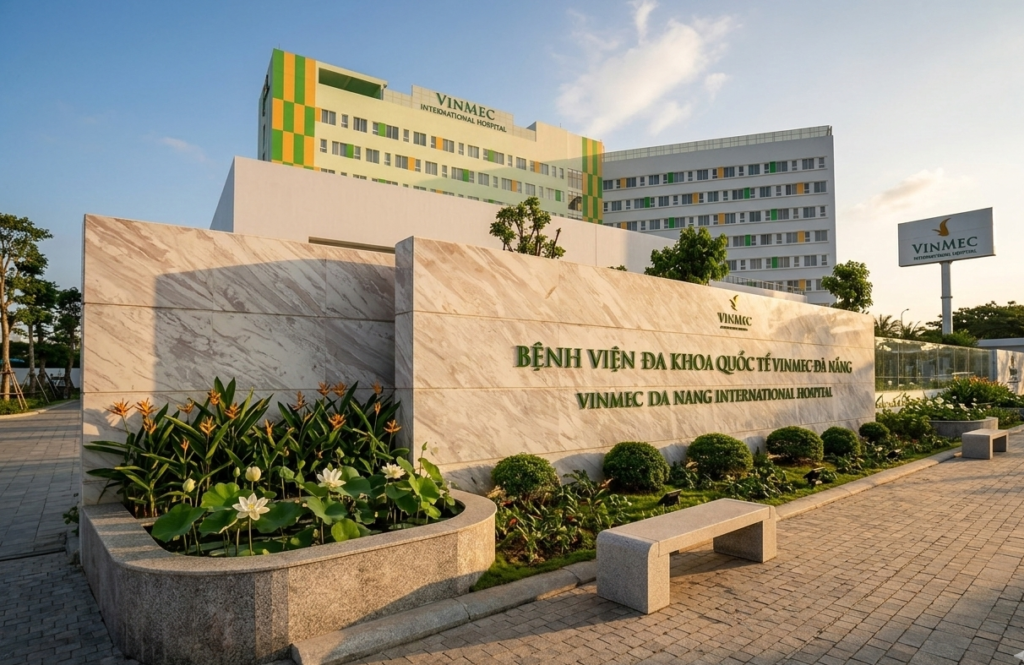
Healthcare is one of the biggest questions when people consider retiring abroad.
Vietnam has both public and private healthcare systems. Most expats use private clinics and hospitals.
We tried private healthcare ourselves and found it very reasonable.
(We talk more about it in our post on medical care in Da Nang.)
But one example that really surprised us:
We had dental cleanings while we were here.
The cost?
$40 for our family of three.
The equipment and facilities looked exactly like what we’re used to back home.
For retirees on fixed incomes, affordable healthcare can be a huge advantage.
Of course, if you have complex pre-existing conditions, healthcare access and insurance should be researched much more carefully.
Housing Reality: What You Should Know
Apartments in Da Nang can be surprisingly modern and affordable, but there are a few things we noticed.
Many buildings have:
- Very thin walls
- Single-pane windows
- Noise that travels easily through the building
Construction quality can vary widely depending on the building.
Another thing that surprised us?
Many kitchens don’t have hot water at the sink.
That one caught us off guard. If you’re used to washing dishes with hot water, you might find that adjustment a bit strange.
Climate: It’s Not Always Perfect
We visited during the dry season, which meant beautiful weather.
But that’s not the whole story.
Da Nang has:
- Extremely hot and humid summers
- A significant rainy season
- Occasional typhoon weather
So visiting during peak tourist season doesn’t necessarily reflect year-round living conditions.
That’s something anyone considering retirement here should keep in mind.
Other Things Retirees Should Consider
Beyond cost of living, there are a few other factors that matter when retiring abroad.
Safety
Da Nang is generally considered one of the safer cities in Vietnam with relatively low violent crime rates.
Transportation
Most locals get around by motorbike.
Expats often rely on ride apps like Grab because rides are inexpensive. Plus, scootering and road rules in Vietnam are quite intimidating.
Community
The expat community here is large and growing, especially among digital nomads and retirees.
That can be comforting if you’re moving far from home.
Visa considerations
Vietnam does not currently have a dedicated retirement visa, which means long-term stay logistics require careful planning.
| The Syps Family Retiring in Vietnam Tip Box 👉 Apartments can have thin walls and noise travels easily. White noise machine or Noise Cancelling Earplugs = better sleep. 👉 Vietnamese is tonal — pronunciation really matters. Download Google Translate offline. 👉 Some kitchens don’t have hot water at the sink. A small electric kettle = instant hot water solution. 👉 Bring comfort-from-home items. Little things can make a big difference long-term. Favorite coffee, skincare, or even a travel pillow. 👉 Prepare for mosquitoes. Especially during rainy season. Insect repellent + plug-in mosquito repeller = must. 👉 Get comfortable using ride apps. It’s the easiest way to get around. Download Grab for cheap rides. 👉 Plan for paperwork and visas. Vietnam doesn’t have a straightforward retirement visa. Research long-term stay options before committing. 👉 Consider travel/health insurance. Especially if you have pre-existing conditions. Private care is affordable, but costs can still add up. 👉Be realistic about the expat bubble. Areas like An Thuong are easy to live in — but less “local.” Decide what balance you want between comfort and culture. 👉 Try living there short-term first. A month (like we did) is a great test run. It gives you a real feel before committing long-term. |
The Syps Survival Summary
So… could we survive retiring in Vietnam? We’re really glad we explored the idea.
There are many things that make Vietnam appealing for retirement:
✔ Affordable cost of living
✔ Beautiful beaches
✔ Excellent food
✔ Affordable private healthcare
✔ Growing expat community
But for us personally?
We’re just not sure it’s the right fit long term.
The language barrier, expat-heavy neighborhoods, and some of the housing differences would take real adjustment.
Still, for the right person — especially someone comfortable living abroad and embracing cultural differences — retiring in Vietnam could be an incredible option.
And places like Da Nang make it easier than ever to try it out.